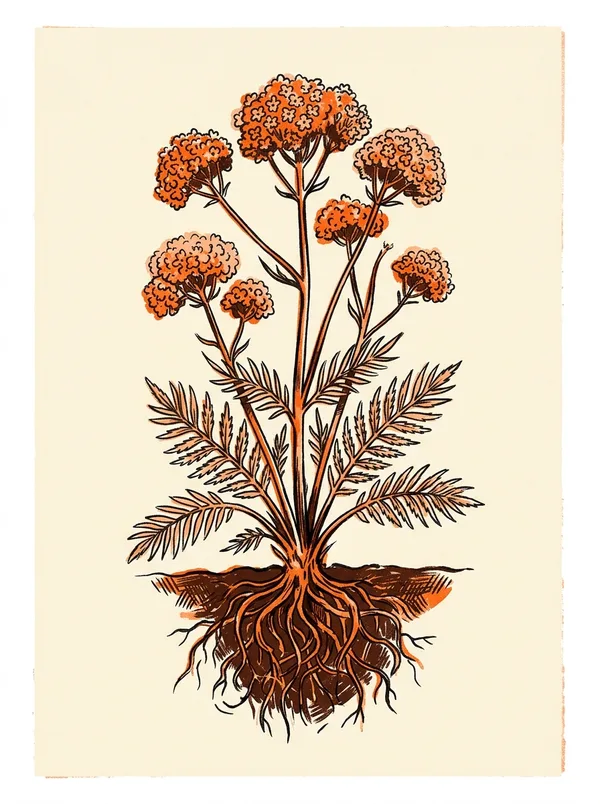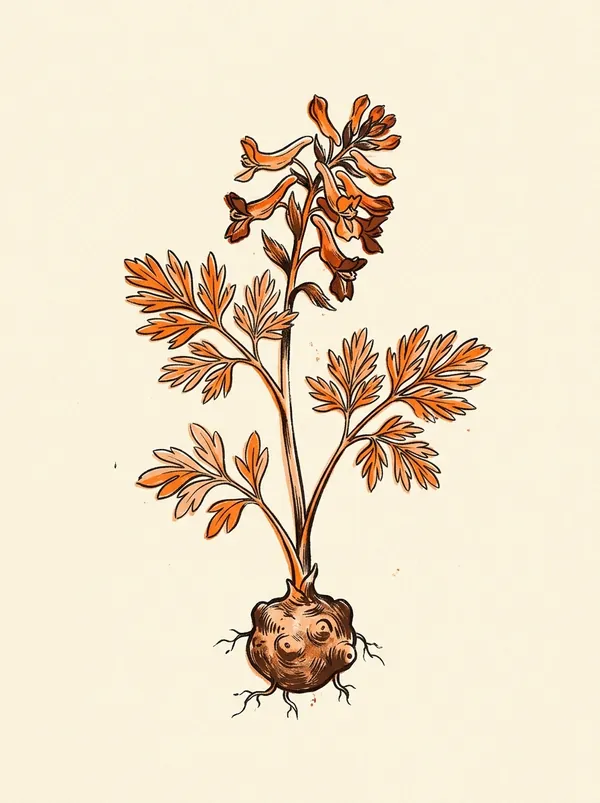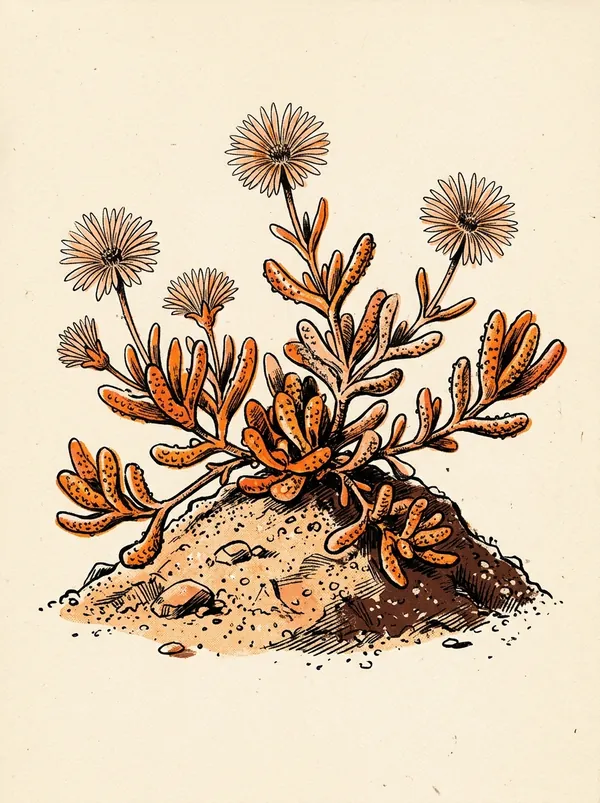
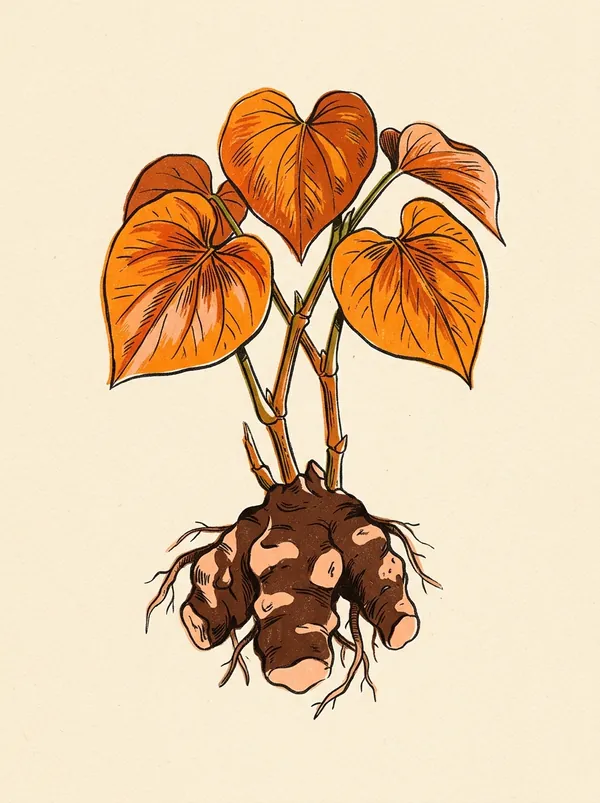
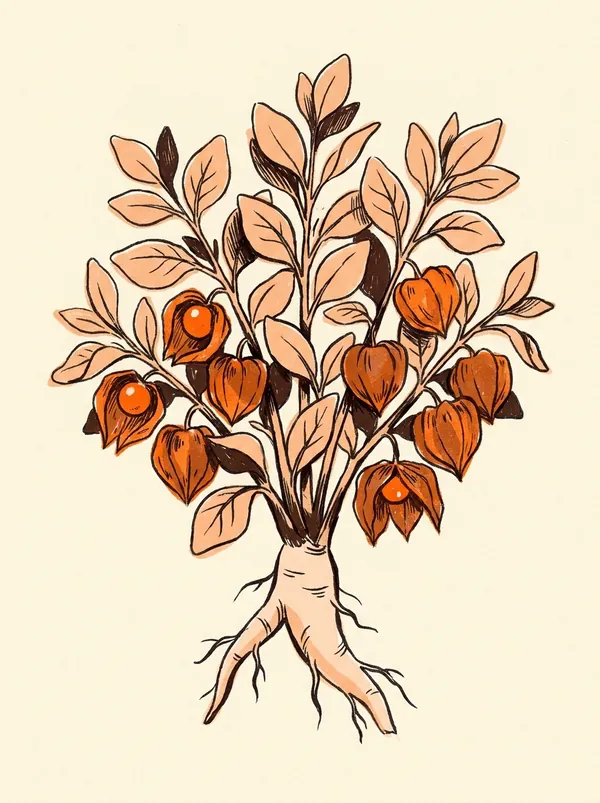
Both are roots, both come from old traditions, and both get filed under the same vague wellness heading. That’s about all they share. Kava is a pepper relative from the Pacific; ashwagandha is a cousin of tomatoes and ground cherries. The rows I’d read first are the safety notes, because they overlap more than the botany does.
Side by side
| Feature | Kava | Ashwagandha |
|---|---|---|
| Latin name | Piper methysticum | Withania somnifera |
| Plant family / what it is | Piperaceae (pepper family); a leafy shrub | Solanaceae (nightshade family); an evergreen shrub |
| Where it grows | Pacific islands: Vanuatu, Fiji, Tonga, Samoa, Hawaii | Parts of India, Africa and the Middle East |
| Part used | Root and lower stem | Root, leaf, or a root-and-leaf extract |
| Main compounds researchers study | Kavalactones; six main ones, including kavain and yangonin, make up most of the total | Withanolides (steroidal lactones such as withaferin A), plus alkaloids and saponins |
| Common forms sold | Ground root, instant powder, shots, capsules, liquid extracts, gummies | Root powder, capsules, extracts, gummies |
| How it’s usually taken | Ground root mixed with water and shared at Pacific ceremonies and gatherings | Used in Ayurveda, India’s traditional medicine, for thousands of years |
| Legal status in the US | Legal in all 50 states and DC | Sold as a dietary supplement; not a controlled substance |
| Outside the US | Rules vary by country | Denmark’s food authority has banned it, citing a 2020 risk assessment; the decision has been disputed |
| Safety notes worth reading | Rare liver-injury reports (FDA advisory, 2002); don’t mix with alcohol | NCCIH: rare liver-injury cases; avoid in pregnancy; not recommended with thyroid or autoimmune disorders |
| What to check on the label | “Noble” variety, root only, kavalactone %, batch COA | Root only or root + leaf, withanolide %, extract type, batch COA |
Which one fits what you’re after
If you care about
a ceremonial drink with a living tradition
Kava
Shared from a common bowl at welcomes and gatherings across the Pacific
If you care about
a plant from Ayurvedic tradition
Ashwagandha
Recorded in Ayurveda for thousands of years
If you care about
a percentage on the label you can compare
Both
Kavalactone % for kava; withanolide % for ashwagandha
What I check on the label
- Kava: “noble” and “root” spelled out, plus a kavalactone %.
- Ashwagandha: root only, or root and leaf? NCCIH notes products use either, so the label should say.
- Ashwagandha: a withanolide % and the extract type, not just “ashwagandha extract.”
- Both have liver-safety notes. Ask a doctor first if you have liver problems or take medication.
Is it legal where you live? Rules for kratom and 7-OH change by state and city. Check the state-by-state map on 7-OH Laws
Common questions
Is kava the same as ashwagandha?
No. Kava is a pepper-family root from the Pacific islands; ashwagandha is a nightshade-family shrub from India, Africa and the Middle East. Their compounds are unrelated.
What are withanolides?
Steroidal lactones that define ashwagandha’s chemistry; withaferin A is the best known. They occur mainly in the nightshade family, including ground cherries (Physalis).
Do kava and ashwagandha both have liver warnings?
Both have rare liver-injury reports. NCCIH notes cases linked to ashwagandha supplements, and the FDA issued a kava advisory in 2002.
Are kava and ashwagandha legal?
Yes, in the US. Kava is legal in all 50 states and DC, and ashwagandha is sold as a dietary supplement. Denmark has banned ashwagandha.
Sources (8)
- NCCIH: Kava
- Memorial Sloan Kettering, About Herbs: Kava
- 7-OH Laws: kava by state
- NCCIH: Ashwagandha
- Memorial Sloan Kettering, About Herbs: Ashwagandha
- Narayanan & Nagegowda 2024, Biosynthesis of withanolides in Withania somnifera (Curr Opin Plant Biol)
- Huang et al. 2020, Withanolides from the genus Physalis (J Pharm Pharmacol)
- Patwardhan et al. 2024, Danish ban on ashwagandha (J Ayurveda Integr Med)
— Dan
Updated by Dan Mercer.