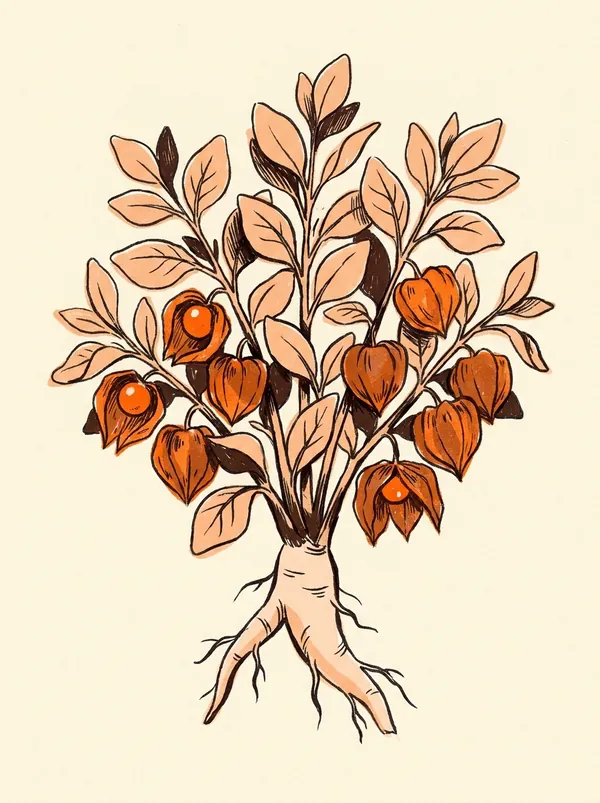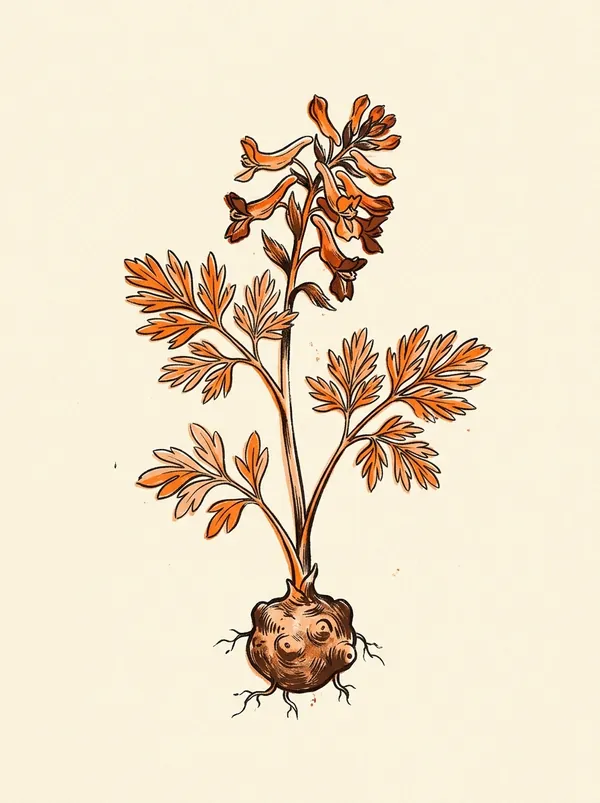
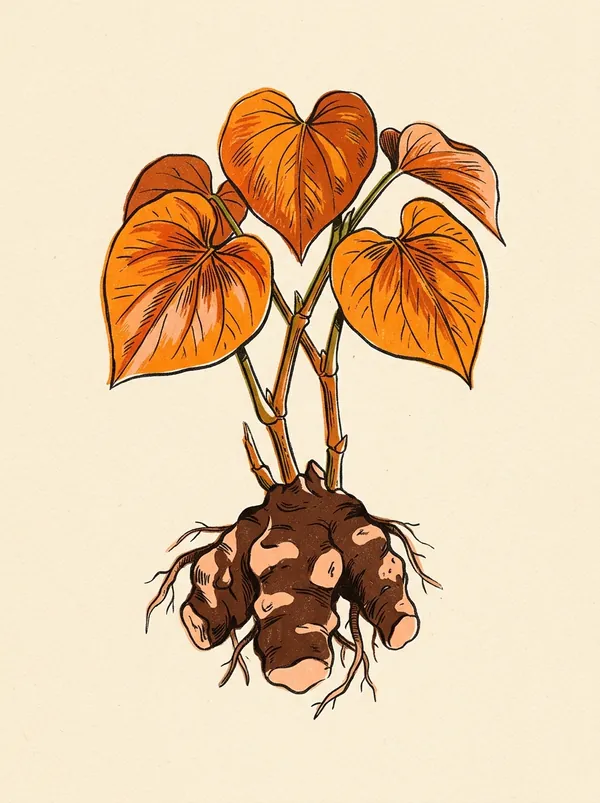
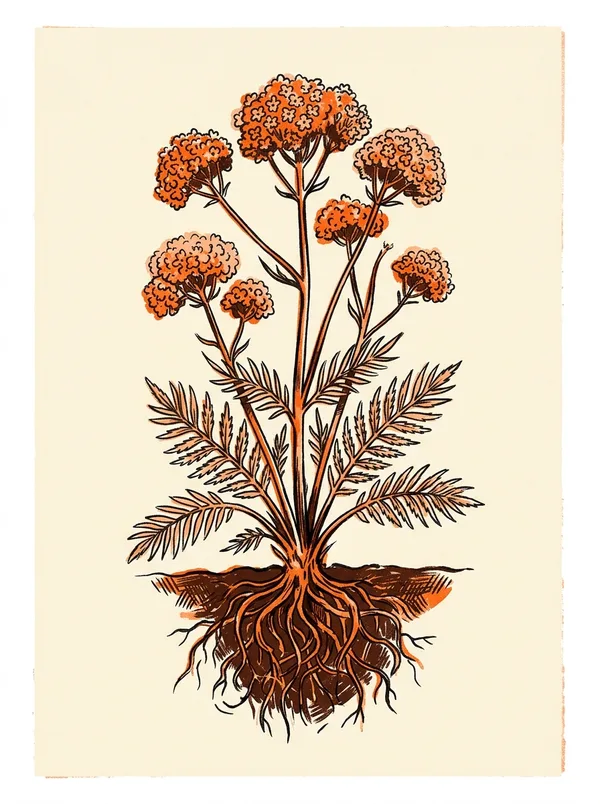
Both are roots, both have long histories, and both get shelved together in the tea aisle. That’s the whole overlap. Kava is a pepper relative from the Pacific; valerian is a European herb with a smell strong enough that MSK mentions it. I’d read the safety rows first, because the drug-interaction notes matter more than the botany here.
Side by side
| Feature | Kava | Valerian |
|---|---|---|
| Latin name | Piper methysticum | Valeriana officinalis |
| Plant family / what it is | Piperaceae (pepper family); a leafy shrub | Caprifoliaceae (honeysuckle family; formerly Valerianaceae); a flowering herb |
| Where it grows | Pacific islands: Vanuatu, Fiji, Tonga, Samoa, Hawaii | Native to Europe and Asia; also grows in North America |
| Part used | Root and lower stem | Roots and rhizomes (underground stems) |
| Main compounds researchers study | Kavalactones; six main ones, including kavain and yangonin, make up most of the total | Valerenic acid, valepotriates and other sesquiterpenes, plus iridoids and lignans |
| Common forms sold | Ground root, instant powder, shots, capsules, liquid extracts, gummies | Extracts and teas with a distinct odor; capsules and tablets |
| History | Shared from a common bowl at welcomes and gatherings across the Pacific | NCCIH: used medicinally since the times of early Greece and Rome |
| Food use | Drunk as a traditional ceremonial beverage | The root is on FDA’s list of natural flavoring substances (21 CFR 172.510) |
| Legal status in the US | Legal in all 50 states and DC; New York limits kava drinks at restaurants and bars | Sold as a dietary supplement; not a controlled substance |
| Safety notes worth reading | Rare liver-injury reports (FDA advisory, 2002); don’t mix with alcohol | NCCIH: very rare liver-injury reports; not with alcohol. MSK: not with benzodiazepines or barbiturates; stop a week before surgery; avoid in pregnancy |
| What to check on the label | “Noble” variety, root only, kavalactone %, batch COA | Valeriana officinalis named; root; extract type and valerenic acid %; batch COA |
Which one fits what you’re after
If you care about
a ceremonial drink with a living tradition
Kava
Still served at welcomes and village gatherings across the Pacific islands
If you care about
a root with a long European record
Valerian
NCCIH notes medicinal use since early Greece and Rome
If you care about
a percentage on the label you can compare
Both
Kavalactone % for kava; valerenic acid % for valerian
What I check on the label
- Kava: “noble” and “root” spelled out, plus a kavalactone %.
- Valerian: Valeriana officinalis on the panel. MSK lists other Valeriana species sold as valerian too.
- Valerian: a valerenic acid % or extract ratio, not just “valerian root.”
- Both have rare liver-injury reports and alcohol warnings. Ask a doctor first if you take any medication.
Is it legal where you live? Rules for kratom and 7-OH change by state and city. Check the state-by-state map on 7-OH Laws
Common questions
Is kava the same as valerian?
No. Kava is a pepper-family root from the Pacific islands; valerian is a flowering herb from Europe and Asia in the honeysuckle family. Their compounds are unrelated.
Do kava and valerian do the same thing?
This notebook doesn’t compare effects. Here’s what each is and what research has looked at: kava for its kavalactones, valerian for valerenic acid and valepotriates. NCCIH says there isn’t enough evidence to know whether valerian helps any health condition.
Do kava and valerian both have liver warnings?
Both have rare liver-injury reports. The FDA issued a kava advisory in 2002, and NCCIH notes very rare liver-injury cases with valerian, usually in products with other herbs. Ask a doctor first if you have liver problems.
Are kava and valerian legal?
Yes, in the US. Kava is legal in all 50 states and DC, and valerian is sold as a dietary supplement. See 7ohlaws.com/kava/ for kava by state.
Sources (7)
— Dan
Updated by Dan Mercer.