Kava bars and CBD shops often sit on the same block, and lately in the same drinks fridge, so the comparison keeps coming up. But one is a root people have prepared the same way for generations, and the other is a single molecule pulled from hemp. The FDA and legal rows are where they differ most, and the CBD side is still moving.
Side by side
| Feature | Kava | CBD |
|---|---|---|
| Latin / chemical name | Piper methysticum | Cannabidiol, from Cannabis sativa (hemp) |
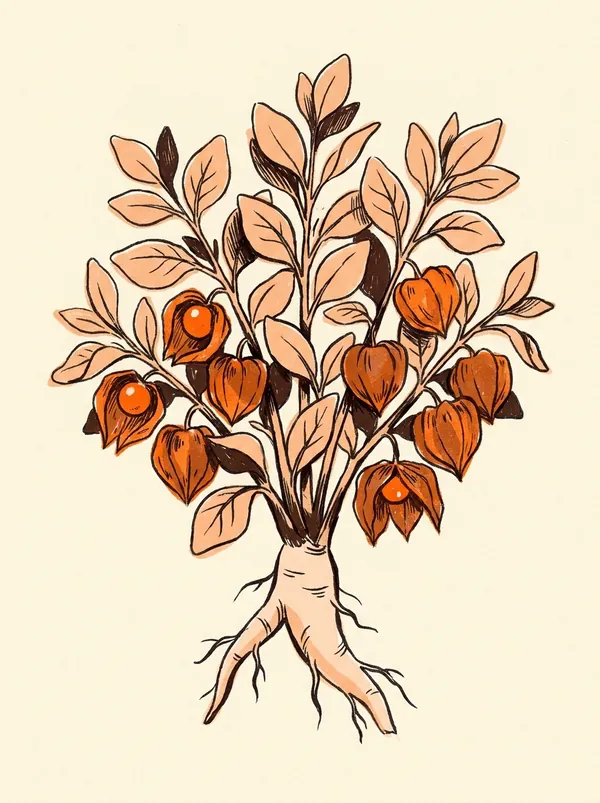
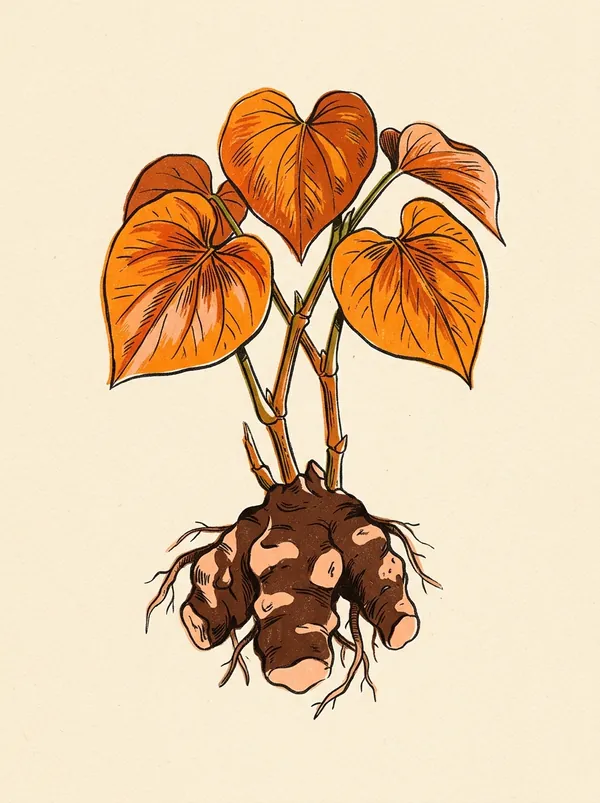
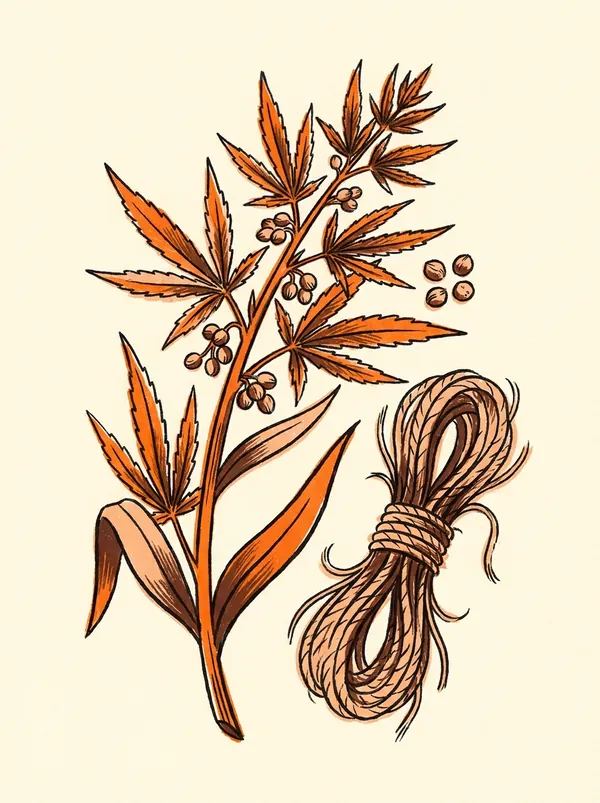
| What it is | A plant root | One compound (a cannabinoid), not a plant |
| Plant family | Piperaceae (pepper family); a leafy shrub | Cannabaceae; cannabis contains more than 80 biologically active compounds |
| Where it comes from | Pacific islands: Vanuatu, Fiji, Tonga, Samoa, Hawaii | Extracted from hemp, which is cannabis legally defined by its low THC level |
| Main compounds researchers study | Kavalactones; six main ones, including kavain and yangonin, make up most of the total | CBD itself; full-plant hemp extracts also carry other cannabinoids, including small amounts of THC |
| Common forms sold | Ground root, instant powder, shots, capsules, liquid extracts, gummies | Oils, gummies, capsules, drinks, topicals |
| How it’s usually taken | Ground root mixed with water and shared at Pacific ceremonies and gatherings | No long traditional form as an isolated compound; a modern product category |
| FDA position | Sold as a food and dietary supplement; 2002 consumer advisory on rare liver-injury reports | One prescription CBD drug (Epidiolex) is FDA-approved; FDA says CBD can’t be sold as a dietary supplement or added to food in interstate commerce |
| Federal hemp rules | Not hemp, so hemp rules don’t apply | 2018 Farm Bill: up to 0.3% delta-9 THC. A Nov 2025 funding law moves to total THC and caps finished products at 0.4 mg total THC per container; its start date has shifted, so check current law |
| Legal status in the US (Nov 2026) | Legal in all 50 states and DC; New York limits kava drinks at restaurants and bars | Depends on the federal hemp definition in force and on state law, which varies |
| What to check on the label | “Noble” variety, root only, kavalactone %, batch COA | CBD mg per serving, full-spectrum or isolate, and total THC on a batch COA |
Which one fits what you’re after
If you care about
a ceremonial drink with a living tradition
Kava
Shared from a common bowl at welcomes and gatherings across the Pacific
If you care about
a compound with an FDA-approved drug form
CBD
Epidiolex is a prescription drug; store-shelf CBD is a different matter
If you care about
the simpler legal picture right now
Kava
Legal in every state; federal hemp rules are in transition
What I check on the label
- Kava: “noble” and “root” spelled out, plus a kavalactone %.
- CBD: milligrams of CBD per serving, not just per bottle.
- CBD: a batch COA that reports total THC, not only delta-9 THC. The federal rules are moving toward total THC.
- Both: a COA matching the batch number. Kava has liver-safety notes; ask a doctor first if you take medication.
Is it legal where you live? Rules for kratom and 7-OH change by state and city. Check the state-by-state map on 7-OH Laws
Common questions
Is kava the same as CBD?
No. Kava is a pepper-family root from the Pacific islands with its own compounds, kavalactones. CBD is one cannabinoid from hemp. They come from unrelated plants.
Does kava contain CBD or THC?
No. Kava isn’t a cannabis plant; its main compounds are kavalactones.
Do kava and CBD have the same effects?
This notebook doesn’t compare effects. Here’s what the research has looked at: kava’s kavalactones, and CBD as a single compound, including the prescription drug Epidiolex.
Is CBD a dietary supplement?
Not under FDA’s reading of the law. FDA says CBD is excluded from the dietary supplement definition, because it is the active ingredient in an approved drug (Epidiolex) and was studied as a drug first.
Sources (6)
— Dan
Updated by Dan Mercer.