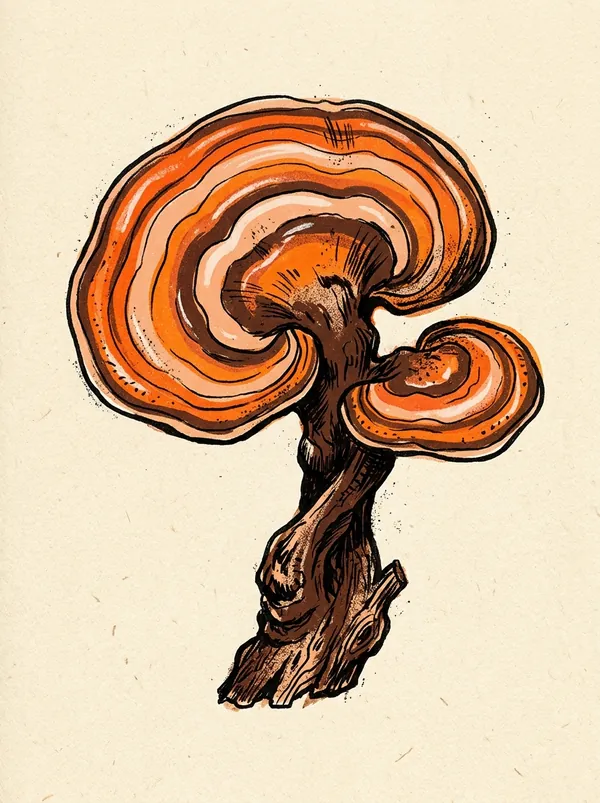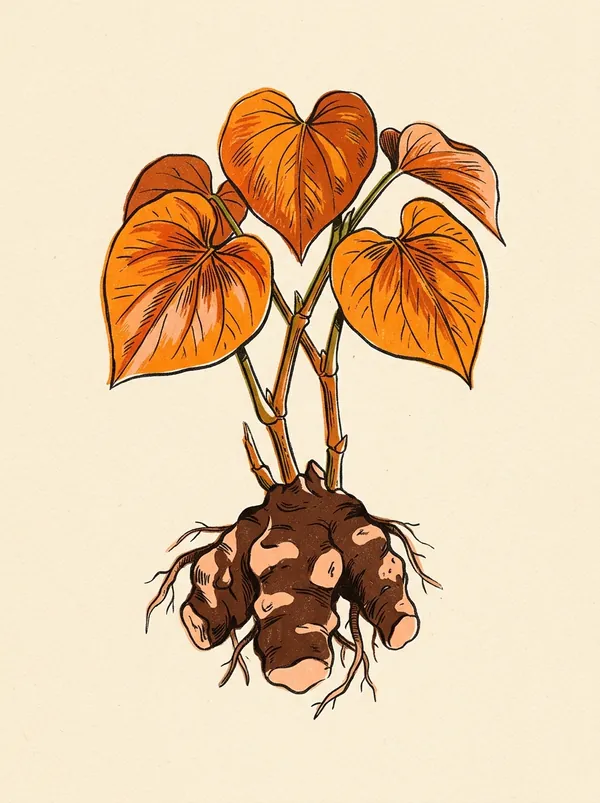
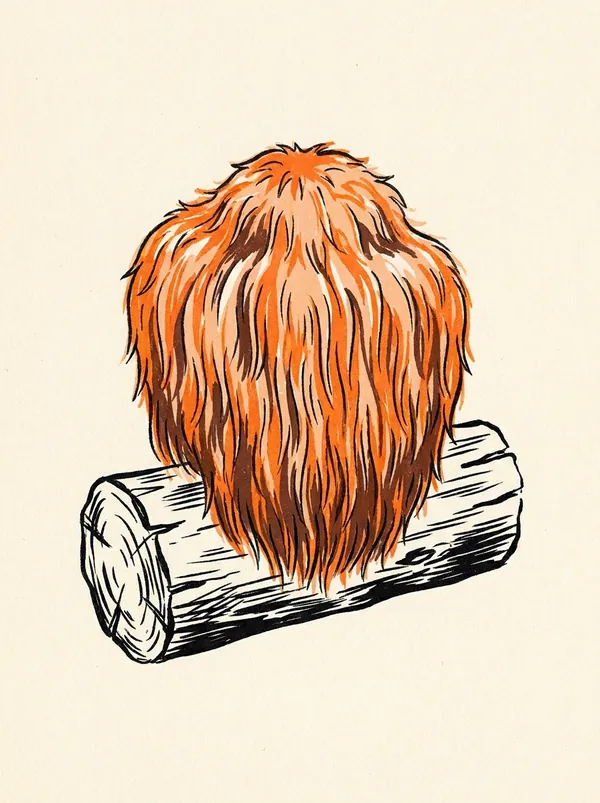
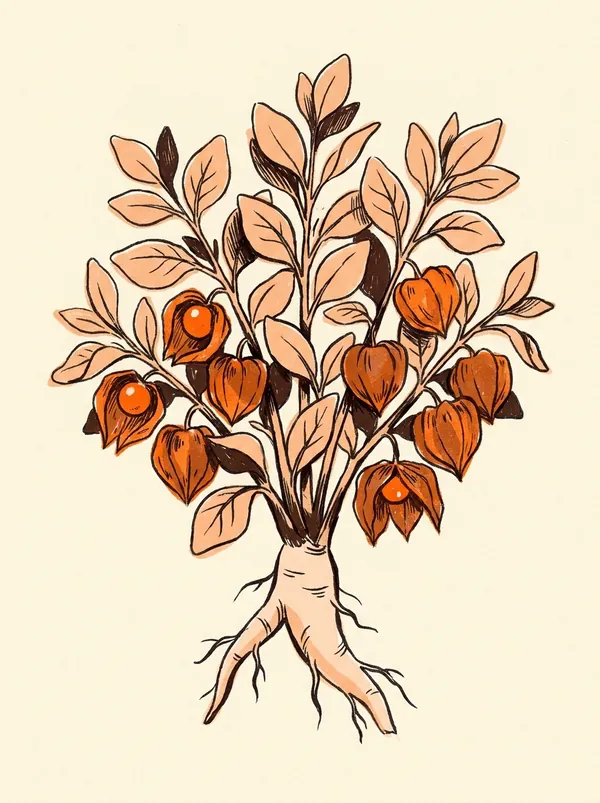
These two often turn up in the same stack or the same blended gummy, which is why people compare them. One is a fungus you could cook; the other is a shrub root from Ayurvedic tradition. What I find useful is that each has one label question that does most of the work: fruiting body or mycelium for lion’s mane, root or leaf for ashwagandha.
Side by side
| Feature | Lion’s mane | Ashwagandha |
|---|---|---|
| Latin name | Hericium erinaceus | Withania somnifera |
| Family / what it is | Hericiaceae; a white, shaggy mushroom with hanging spines (a fungus, not a plant) | Solanaceae (nightshade family); an evergreen shrub |
| Where it grows | On dead or dying hardwood trees | Parts of India, Africa and the Middle East |
| Part used | Fruiting body and mycelium | Root, leaf, or a root-and-leaf extract |
| Main compounds researchers study | Hericenones (from the fruiting body) and erinacines (from the mycelium), plus polysaccharides | Withanolides (steroidal lactones such as withaferin A), plus alkaloids and saponins |
| Common forms sold | Capsules, powders, liquid extracts, coffee blends, gummies | Root powder, capsules, extracts, gummies |
| How it’s usually taken | Eaten as a culinary mushroom in East Asian cooking | Used in Ayurveda, India’s traditional medicine, for thousands of years |
| Legal status in the US | Sold as a food and dietary supplement; not controlled | Sold as a dietary supplement; not controlled (Denmark has banned it) |
| Safety notes worth reading | MSK: generally considered safe as food; supplements are more concentrated | NCCIH: rare liver-injury cases; avoid in pregnancy; not recommended with thyroid or autoimmune disorders |
| What to check on the label | Fruiting body or mycelium, beta-glucan %, species named | Root only or root + leaf, withanolide %, extract type, batch COA |
Which one fits what you’re after
If you care about
something that is also food
Lion’s mane
Eaten fresh, dried or cooked in East Asian cuisine
If you care about
a plant from Ayurvedic tradition
Ashwagandha
Recorded in Ayurveda for thousands of years
If you care about
one label line that tells you most
Either
Fruiting body vs mycelium for lion’s mane; root vs leaf for ashwagandha
What I check on the label
- Lion’s mane: fruiting body or mycelium? Mycelium grown on grain can carry a lot of starch.
- Lion’s mane: a beta-glucan % tells you more than “full spectrum.”
- Ashwagandha: root-only or root-and-leaf extract, plus a withanolide %.
- Blends: each ingredient’s amount listed, not one proprietary-blend total.
Is it legal where you live? Rules for kratom and 7-OH change by state and city. Check the state-by-state map on 7-OH Laws
Common questions
Is lion’s mane the same as ashwagandha?
No. Lion’s mane is a mushroom (Hericium erinaceus); ashwagandha is a nightshade-family shrub (Withania somnifera). Different kingdoms, different compounds.
What’s the difference between fruiting body and mycelium?
The fruiting body is the mushroom you can see. Mycelium is the root-like network it grows from, often grown on grain for supplements. Hericenones come mainly from the fruiting body, erinacines from the mycelium.
What does “root-only” mean on ashwagandha?
That the extract uses only the root, not the leaves. NCCIH notes supplements may use root, leaf, or both, so the label should say which.
Are lion’s mane and ashwagandha legal?
Yes, in the US both are sold as dietary supplements and neither is a controlled substance. Denmark has banned ashwagandha.
Sources (6)
- Memorial Sloan Kettering, About Herbs: Lion’s mane
- Friedman 2015, Chemistry of Hericium erinaceus (J Agric Food Chem)
- NCCIH: Ashwagandha
- Memorial Sloan Kettering, About Herbs: Ashwagandha
- Narayanan & Nagegowda 2024, Biosynthesis of withanolides in Withania somnifera (Curr Opin Plant Biol)
- Patwardhan et al. 2024, Danish ban on ashwagandha (J Ayurveda Integr Med)
— Dan
Updated by Dan Mercer.